Dec 28, 2025
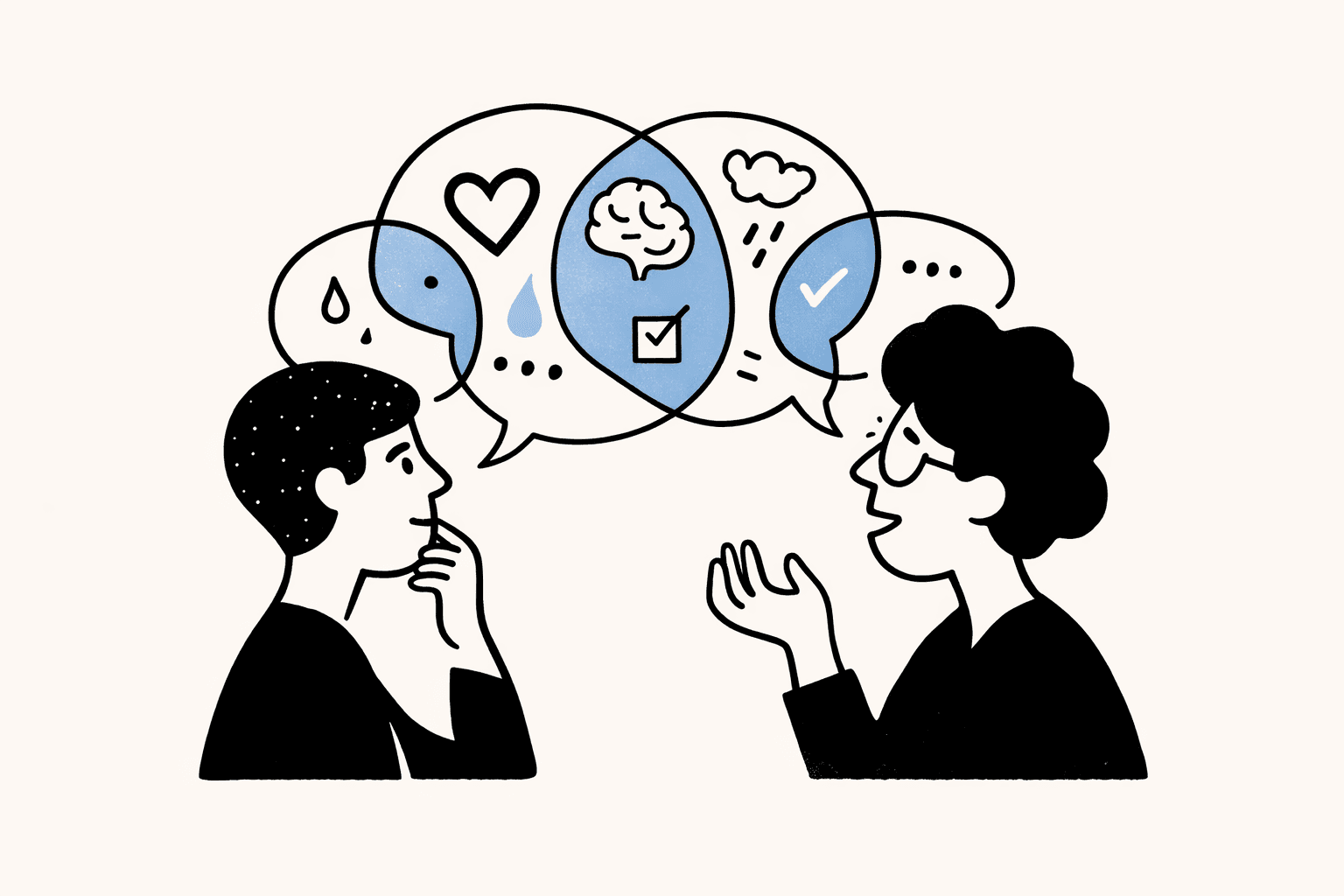
How Empathy Led Me to UX Design
I didn’t discover empathy through UX design, I brought it with me.
Before becoming a product designer, I spent years working directly with people navigating complex systems, often in moments of stress or confusion. While assisting patients through live chat at AdventHealth, I wasn’t just answering questions. I was translating systems, calming frustration, and noticing where digital experiences were quietly failing the people who relied on them.
At the time, I didn’t have the language for it. I just knew things could be clearer, kinder, and easier.
When Empathy Became a Skill
UX design gave structure to instincts I had relied on for years. Concepts like user journeys, accessibility, and friction reduction put words to patterns I was already observing. Empathy stopped being something I felt and became something I could apply intentionally and at scale.
I began turning emotional signals into design decisions:
Simplifying flows that overwhelmed users
Refining language to reduce cognitive load
Designing systems that supported people instead of testing them
Designing With Care & Intention
Empathy doesn’t mean designing emotionally. It means designing responsibly.
Users don’t arrive at products with unlimited patience or clarity. They bring stress, expectations, and limited energy. Good design respects that reality. It removes unnecessary friction and replaces it with confidence.
That belief guides how I design, collaborate, and solve problems today.
Why This Matters to Me
UX didn’t make me empathetic, it taught me how to use empathy as a strength.
What was once considered a “soft” trait became my most valuable design skill. It allows me to build clarity out of chaos, advocate for users with intention, and create experiences that feel human, thoughtful, and effective.
Today, empathy sits at the core of how I design, collaborate, and problem-solve. It’s not the only skill I bring to the table, but it’s the one that guides all the others.